
politics
Rahul Gandhi alleges US pressure behind UPI MDR; here’s what the record shows

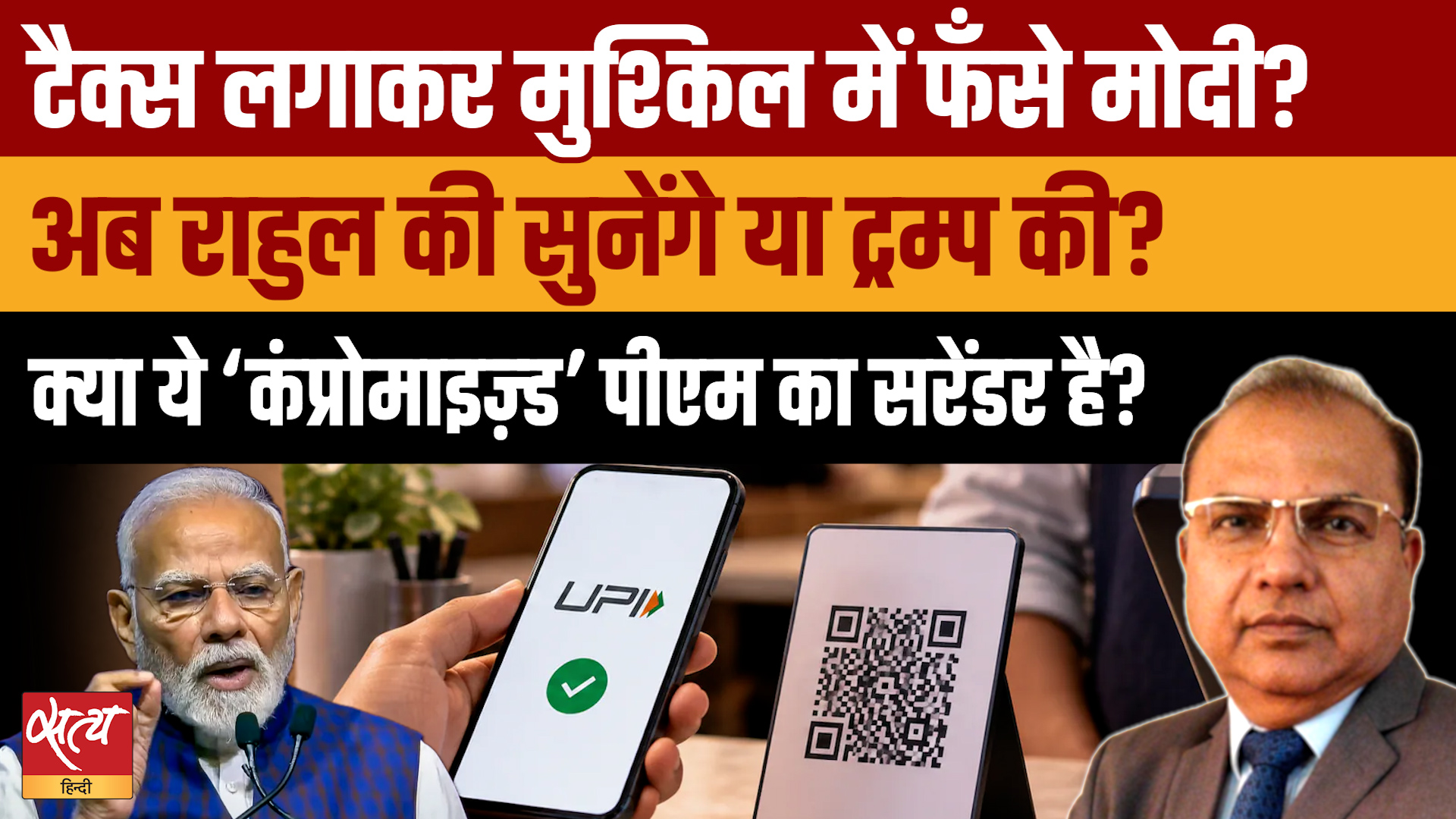
New Delhi: Congress leader Rahul Gandhi on Tuesday accused the Narendra Modi government of opening the door to charges on UPI merchant payments under pressure from the United States, hours after the Centre detailed a new MDR regime for higher-value transactions. “Modi government has quietly opened the way to impose fees on UPI,” Gandhi wrote on X. He said Merchant Discount Rate (MDR) can now be levied on merchant UPI transactions above Rs 2,000 and argued that although the government says customers will not be charged, merchants would ultimately recover the cost through prices. Gandhi then connected the policy change directly to the US. “American payment companies have long opposed India’s zero-MDR policy. Now the Modi government has opened the way to change the policy in exactly that direction,” he said. मोदी सरकार ने चुपचाप UPI पर फ़ीस लगाने का रास्ता खोल दिया है। अब ₹2,000 से ऊपर के merchant UPI लेन-देन पर MDR लगाया जा सकता है। इन ट्रांजैक्शंस की संख्या भले ही सिर्फ़ 5% हो, लेकिन UPI के कुल transaction value का करीब 65% इन्हीं में है। सरकार कहती है कि ग्राहक से कोई फ़ीस नहीं... — Rahul Gandhi (@RahulGandhi) September 15, 2026 Comparing the decision with India-US trade negotiations, Gandhi accused Prime Minister Modi of “surrendering” to American pressure. The government has denied that external pressure influenced its UPI policy. Rahul’s 5% claim broadly matches official data Gandhi said transactions above Rs 2,000 constitute barely 5% of UPI merchant transactions by number but account for around 65% of transaction value. Official government material supports the broad volume argument. The government’s FAQ says payments up to Rs 2,000 constitute more than 95% of all UPI person-to-merchant transactions by volume. In other words, fewer than 5% fall above that threshold. The official FAQ reviewed by NewsDrum does not, however, substantiate Gandhi’s separate claim that transactions above Rs 2,000 account for around 65% of merchant transaction value. Under the framework announced on Tuesday, regular P2M payments above Rs 2,000 will attract 0.4% MDR, with the charge capped at Rs 300 for transactions of Rs 75,000 and above. Consumers and person-to-person transfers remain free. Washington has objected to India’s payment policies The part of Gandhi’s charge concerning American objections to India’s digital payments regime has a documented basis. The US Trade Representative’s 2026 National Trade Estimate Report says the United States has continued to raise concerns over Indian electronic-payment policies that it believes favour domestic suppliers over foreign competitors. The report specifically refers to UPI and RuPay and says Washington has raised concerns about the ability of US electronic-payment suppliers to participate in the UPI ecosystem, including credit transactions, “on a level playing field with RuPay”. The USTR report also notes that two US-owned electronic-payment application providers together processed more than 80% of UPI transactions as of December 31, 2025. So the existence of US concerns about India’s payments architecture is not merely a political assertion. What the report does not say is that India should impose a 0.4% MDR on UPI merchant payments above Rs 2,000. Nor does it establish that the latest MDR decision was taken in response to an American demand. No public link yet between US concerns and MDR decision That distinction is central to Gandhi’s allegation. There is documentary evidence of Washington pressing India over what it considers unequal treatment of foreign payment companies. But publicly available material reviewed by NewsDrum does not establish a direct chain between those objections and the government’s decision to reintroduce MDR on selected UPI transactions. The Centre had, in fact, addressed allegations of foreign influence more than a month before the final MDR structure was announced. On August 8, the Finance Ministry said reports suggesting that “external influences” were driving changes to UPI policy were “unfounded, completely false and misleading”. The government said any future MDR would be confined to a limited category of merchant transactions and presented the change as necessary to make the UPI ecosystem financially sustainable while continuing to keep the service free for citizens. The latest framework, effective October 15, subsequently fixed the standard MDR at 0.4% for qualifying P2M payments above Rs 2,000 while providing exemptions and concessional rates for small merchants and specified sectors. Washington’s concerns over India's electronic-payments regime are therefore documented. What is not established publicly is that those concerns caused the MDR decision. Gandhi says they did. The government denies it.
Read full article on Newsdrum
Related News