

top
RBI Digital Fraud Compensation Rules: What Happens If You Share an OTP?
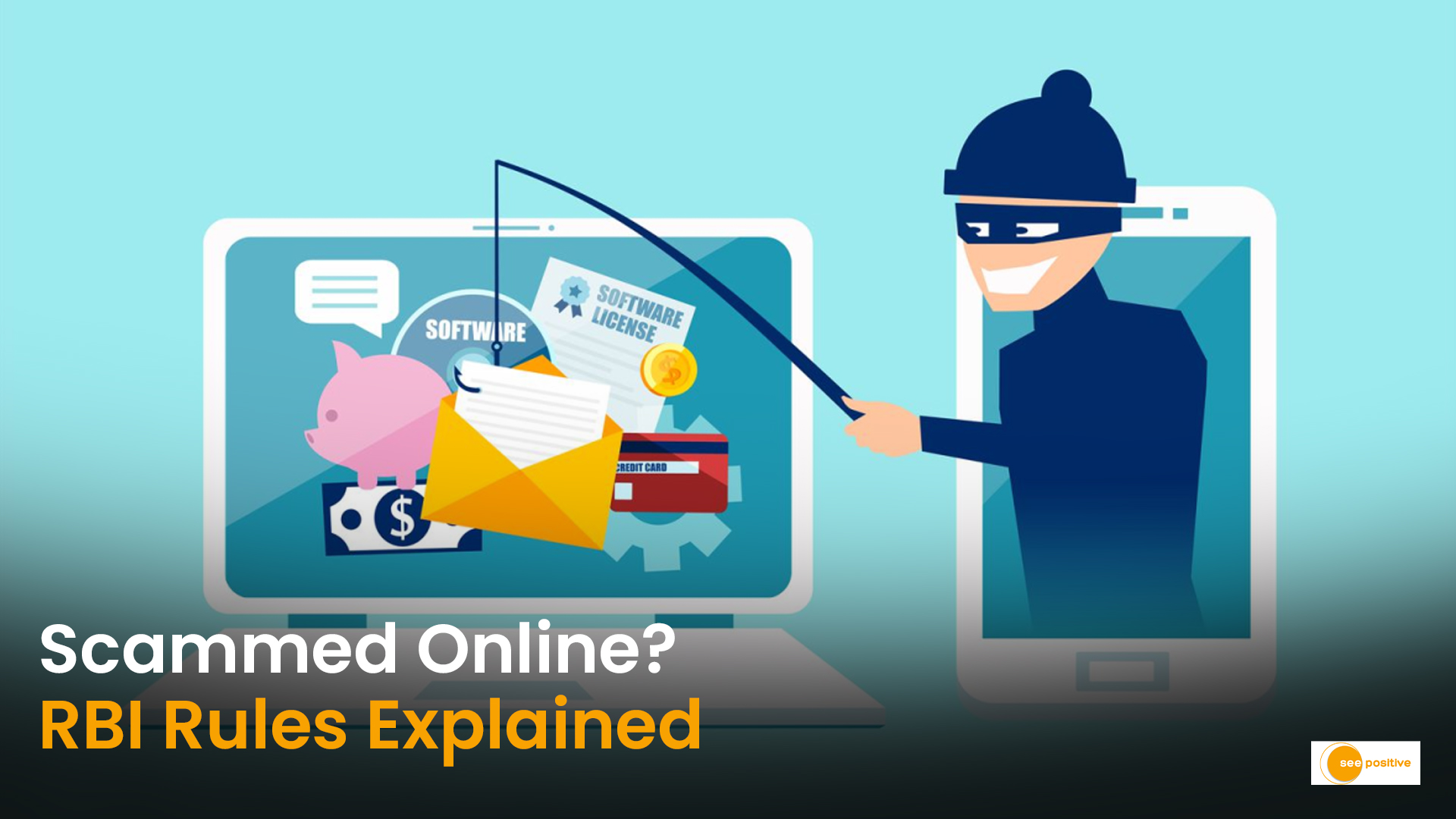
With the rapid growth of UPI, net banking, and mobile wallet transactions, digital financial fraud has become an increasingly common threat. Scammers use sophisticated social engineering tactics, fake customer care calls, and phishing links to trick people into revealing sensitive details. A major concern for banking customers is determining responsibility when money is stolen online. According to Reserve Bank of India (RBI) guidelines, customer liability depends directly on where the security failure occurred and how quickly the fraud is reported. Here is a breakdown of the RBI’s digital fraud compensation rules, how liability is determined, and what happens if you inadvertently share an OTP with a scammer. Understanding Customer Liability Under RBI Guidelines The RBI categorizes unauthorized electronic banking transactions into three distinct liability levels based on negligence and reporting speed. 1. Zero Liability (Full Refund from the Bank) A customer faces zero financial liability and is entitled to a 100% refund under two conditions: 2. Limited Liability (Capped Financial Loss) If the delay in reporting an unauthorized transaction is due to customer oversight (and not negligence), liability is capped based on the account type: 3. 100% Customer Liability (Gross Negligence) If a customer exhibits gross negligence by voluntarily sharing confidential credentials—such as passwords, PINs, UPI PINs, or One-Time Passwords (OTPs)—the customer bears the entire loss until the unauthorized transaction is reported to the bank. Any fraudulent transactions taking place after reporting the breach remain the bank’s responsibility. What Happens If You Share an OTP After Being Tricked? Social engineering frauds often involve impersonation, where scammers pose as bank officials, delivery agents, or utility service workers to trick victims into sharing OTPs. Step-by-Step Action Plan What to Do Immediately After a Digital Fraud If you fall victim to a digital financial scam, follow these steps immediately to limit your liability: While RBI guidelines offer robust protection against system glitches and third-party security breaches, user caution remains the primary line of defense. Remember that no legitimate bank, payment platform, or government agency will ever ask for your UPI PIN, password, or OTP. Keeping your financial credentials private and reporting suspicious transactions immediately remain essential for digital financial safety. The post RBI Digital Fraud Compensation Rules: What Happens If You Share an OTP? appeared first on See Positive .
Read full article on See Positive
Related News