
business
Retail inflation hits 7-month high of 4.82 percent in August, food prices surge
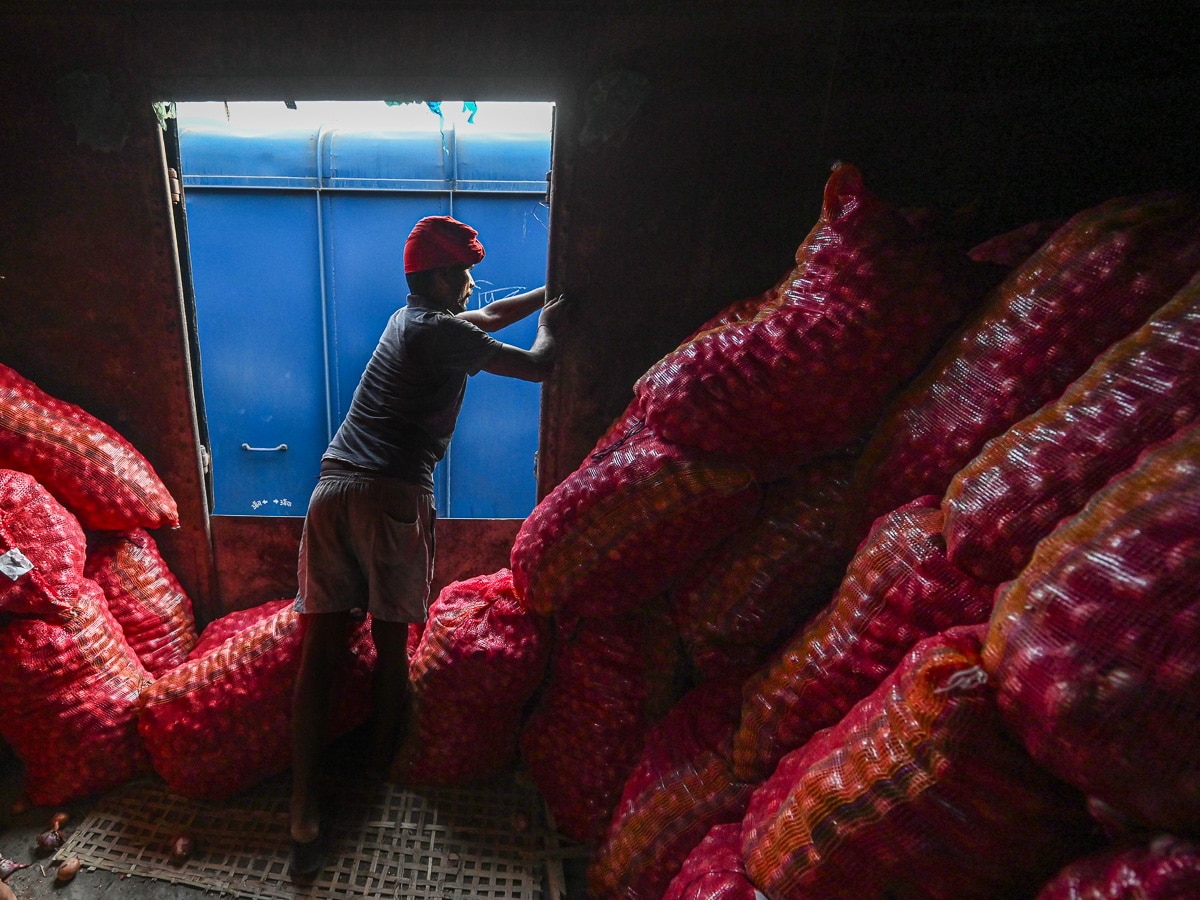
India’s retail inflation climbed to a seven-month high of 4.82 percent in August, rising for an eighth consecutive month, according to government data released on Monday. Inflation, as measured by the consumer price index, was 4.45 percent in July.“While the uptick was broad-based, driven by 10 of the 12 divisions, the food and beverages, housing, water, electricity, gas and other fuels, and information and communications divisions accounted for a bulk of the 37-basis points uptick in the headline print in August 2026 relative to July 2026,” said Aditi Nayar, chief economist at rating agency ICRA.(function(){function e(){window.addEventListener(`message`,function(e){if(e.data[`datawrapper-height`]!==void 0){var t=document.querySelectorAll(`iframe`);for(var n in e.data[`datawrapper-height`])for(var r=0,i;i=t[r];r++)if(i.contentWindow===e.source){var a=e.data[`datawrapper-height`][n]+`px`;i.style.height=a}}})}e()})();Food prices were the principal driver of the increase, with year-on-year food inflation accelerating sharply to 5.95 percent in August, from 5.52 percent in July. Rural food inflation was higher at 6.13 percent against 5.64 percent in urban areas.Also Read: India Retail Inflation Hits 19-Month High in July 2026: CPI at 4.45%Within the food basket, onion, ginger and garlic prices were the standout contributors, with inflation rates of 48.27 percent, 73.82 percent and 43.6 percent, respectively. Inflation in onion and garlic worsened sharply from July’s already elevated levels of 22.54 percent and 35.36 percent, while ginger moderated from 83.57 percent. “While the hardening in F&B inflation was expected, the extent of the same is slightly on the higher side,” Nayar said, adding that ICRA expects food inflation to harden further and cross the 7 percent-mark by October, exerting an upward pressure on the headline inflation number.“Risks are tilted to the upside, given that the impact of the uneven temporal and spatial distribution of the monsoon on crop output remains to be seen,” she said.Silver jewellery posted the biggest increase in the inflation basket at 107.11 percent, while gold, diamond and platinum jewellery prices rose 35.53 percent, reflecting continued strength in precious metals prices.Also Read: India WPI Inflation Eases to 9.78% in July, Economists CautionTomato and potato, meanwhile, offered some relief, with prices falling 31.09 percent and 13.14 percent, respectively.Rural inflation outpaced urban, with prices rising 5.23 percent compared to 4.31 percent for cities. Food inflation was also higher in rural areas.Among expenditure categories, “personal care, social protection and miscellaneous goods and services” recorded the steepest inflation at 15.17 percent, followed by restaurants and accommodation services at 8.38 percent, reflecting continued effects of high gas prices due to supply disruptions arising from the war in West Asia. Health and information-communication categories remained the most subdued, at 1.34 percent and 2.01 percent, respectively.At the state level, Telangana recorded the highest headline inflation at 6.27 percent, followed by Tamil Nadu (5.92 percent), Madhya Pradesh (5.55 percent), Andhra Pradesh (5.53 percent) and Odisha (5.52 percent). On food inflation, Maharashtra topped the list at 8.1 percent, closely trailed by Andhra Pradesh at 8.07 percent.Nayar added that the inflation print is likely to cross the 5 percent mark in September, and harden further to around 6 percent during October-November -- the upper limit of the Monetary Policy Committee’s (MPC) medium-term target band — partly on account of the GST rationalisation-led low base.Nayar’s base case is that a rate hike could materialise at the December 2026 MPC meeting, particularly if there is evidence of a generalisation in inflationary pressures and crude oil prices sustain at elevated levels. However, she cautioned that if crude oil prices remain elevated ahead of the upcoming MPC meeting, hinting at an impending rise in the retail prices of petrol and diesel that could percolate into broader price pressures, the expected rate hike could be advanced to October from December.
Read full article on Forbes India
Related News